This is part 3 of 3 in a series about creating effective Web sites. In part 1, we discussed planning that should take place before you even begin building your site. In part 2, we talked about drafting your content. Today in part 3, we tackle what to do when you have a site.
Just because you have a Web site doesn’t mean you’re done. This is no time to sit back and relax. Users will not find you just because you bought a URL and slapped up a few pages. You have to promote it and you have to think about the search engines.
Think local: There are many ways to promote your Web site. Start by including your URL on all of your marketing pieces, such as business cards, brochures, and mailers. Ask your customers if you can have their email address to notify them when your site goes live.
Think larger: Join online discussions about your area of expertise. Blogs and forums abound. Undoubtedly, someone has posted a question that you can answer.
Don’t forget those search engines: First, search engines will only find you if they know about you, so submit your site addresses to all major search engines. Most likely, the majority of your traffic will come from search engines, so you will want to make sure that you have the right keywords to help people find you. The search engines will regularly "crawl" your site to find out what is on it. They will look for the keywords and phrases you used to determine what your site is about. To make sure you come up in the listings, be sure to include terms that your customers and prospective clients will be looking for.
For more information about search engines, I highly recommend Search Engine Guide. That Jennifer Laycock is one smart woman.
If you did your planning, you should have a great site which will travel by word of mouth. Visit your own Web site frequently to make sure that your content is still relevant and to add new content where it makes sense.
Above all, enjoy it! The Web is a fascinating world.
Thursday, August 16, 2007
Create an Effective Web Site, Part 3 of 3: You have a site, now what?

Wednesday, August 15, 2007
Create an effective Web site, Part 2 of 3: Drafting your content
This is part 2 of 3 in a series about creating effective Web sites. In part 1, we discussed planning that should take place before you even begin building your site. Today in part 2, we will talk about content.
Your customers will learn a lot about your business from the content of your site. Not only will the content you select be important, but the presentation and organization of that content will leave an impression as well. An organized, well laid-out site with just the right information will make your prospective customer more likely to feel comfortable doing business with you. In contrast, a disorganized site with too little or too much information may send your prospective customer running to a competitor. Content can make or break your credibility.
When it’s time to write your content, it is critical to keep your message clear. You never want to confuse your customers. Keep it simple and make sure to include the information your customer needs to know. Here are some ideas to help make sure your content is clear:
- Use simple words. Avoid fancy words and jargon that may confuse your customers.
- Avoid acronyms. Your customer may be unfamiliar with the acronym and, therefore, may not understand what you are saying. If you do use acronyms, make sure to spell it out at least once on each page. (Why each page? If you only define it on one page, and your user doesn’t read that page, they will miss it.)
- Use short sentences and short paragraphs. Breaking your information up in to small chunks greatly increases the clarity of your message.
- Use bullets and lists. Information in list form is easier to comprehend.
- Write in a conversational, yet professional style. A conversational style helps you keep your language simple and clean.
Tomorrow in part 3, you have a site, now what?
Tuesday, August 14, 2007
Create an effective Web site, Part 1 of 3: Planning your site
Planning is an important, yet often underserved step in building a Web site. Too often sites are started for the sake of having a site and then the owners do not see a return on their investment. This can be avoided by planning up front. By identifying your objective, goals, and what differentiates you from the competition, your site can be a great asset to your business.
Identify your Web goals
Determining specific goals is arguably the single most important step in creating your Web site. Without a clear objective you may find that your Web site is not adding value to your business or your mission. Your goal might be something like:
- Increasing revenue
- Attracting new customers
- Reducing the number of phone calls you get for basic information like hours and location
Identify your Web audience
It is important to know who the audience is for your Web site. Your Web audience may differ from your local customer base. Knowing this will help you create content that is valuable to your audience. Before preparing your content, think about these questions:
- Who is your Web audience?
- Why do they need your Web site?
- How will your Web site make their life easier?
Know your competition
Let’s face it. You have competition. You may like to forget about them, but knowing what makes your site different from your competitor’s site is important. Consider the competitors you already have identified in your daily business, but also consider what other competitors you may have on the Web. Because the internet makes this world a much smaller place, you may have a competitor for Web customers that is not a competitor in your physical location. Know what other businesses are doing on the Web.
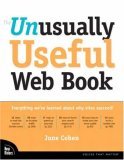
If you're starting out with a new Web site, or if you just need to learn how to improve your site, June Cohen’s book, The Unusually Useful Web Book
 is a great resource. It will tell you everything you need to know to start your Web site, in plain English and short bursts of information. It is chock full of easy to understand tips and worksheets. (And I mean full- even the inside covers.) I love this book.
 Tomorrow in part 2 of this series: drafting your content.